Ashish Women Care & Fertility Clinic
ICSI
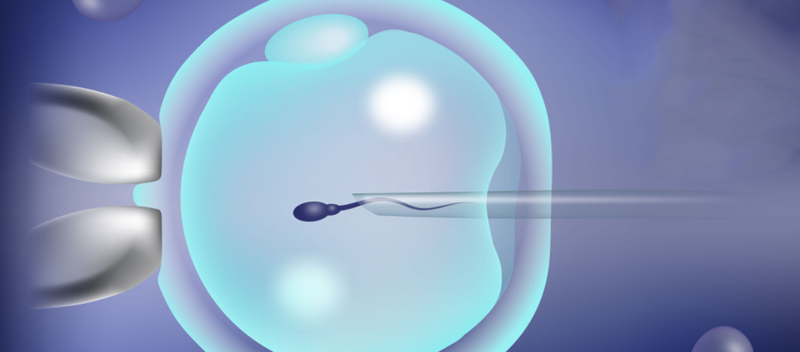
ICSI treatment (Intracytoplasmic Sperm Injection) is a form of assisted reproductive technology used to help couples facing male infertility or certain fertility challenges. The process involves injecting a single sperm directly into the egg to increase the chances of fertilization. This treatment is often combined with in vitro fertilization (IVF), where the fertilized eggs are then transferred to the uterus for potential implantation and pregnancy.
ICSI Treatment Process
The ICSI process involves several steps that take place over a few weeks. Here’s a breakdown of the procedure:
Ovarian Stimulation
- The female partner is given hormone injections (gonadotropins) to stimulate her ovaries to produce multiple eggs in a single cycle.
- The development of the eggs is monitored through blood tests and ultrasound scans.
- Once the eggs have matured, an injection of human chorionic gonadotropin (hCG) is administered to trigger the final maturation of the eggs.
Egg Retrieval (Oocyte Retrieval)
- The mature eggs are collected through a minor surgical procedure known as follicular aspiration.
- Using ultrasound guidance, a thin needle is inserted through the vagina to reach the ovaries, and the eggs are aspirated from the ovarian follicles.
- The procedure is performed under mild sedation or anesthesia, and it usually takes about 20-30 minutes.
Sperm Collection and Preparation
- The male partner provides a sperm sample on the same day as egg retrieval. If necessary, sperm can be surgically retrieved from the testicles (e.g., via TESA or MESA).
- The sperm sample is processed in the lab to isolate the healthiest, most motile sperm for injection.
Sperm Injection (ICSI Procedure)
- In the laboratory, an embryologist selects a single sperm and injects it directly into the cytoplasm of each mature egg using a fine needle under a microscope.
- This bypasses the natural process where the sperm must penetrate the egg on its own.
Fertilization and Embryo Development
- After the injection, the eggs are monitored to check if fertilization occurs.
- The fertilized eggs are allowed to grow and develop in a controlled environment for 3-5 days, at which point they become embryos.
- The embryos are evaluated for quality, and the healthiest ones are selected for transfer.
Embryo Transfer
- One or more of the best-quality embryos are transferred into the woman’s uterus using a thin catheter.
- The transfer is a simple procedure that typically does not require anesthesia.
- The number of embryos transferred depends on factors like the woman's age and the quality of the embryos, but many clinics aim to minimize the risk of multiple pregnancies by transferring one or two embryos.
Luteal Phase Support
- After the embryo transfer, the woman may be prescribed progesterone supplements to help prepare the uterine lining for implantation and support early pregnancy.
- The medication can be given as vaginal suppositories, oral pills, or injections.
Pregnancy Test
- About 10-14 days after the embryo transfer, a blood test is done to check for pregnancy by measuring the levels of human chorionic gonadotropin (hCG).
- If positive, the woman will continue to be monitored, and ultrasound scans will be scheduled to confirm the development of the pregnancy.
Who Benefits from ICSI?
ICSI is particularly helpful for couples with:
Male Factor Infertility:
- Low Sperm Count: Insufficient sperm in the ejaculate (oligospermia).
- Poor Sperm Motility: Sperm that have difficulty swimming.
- Abnormal Sperm Morphology: Misshapen sperm that can’t fertilize an egg naturally.
- Azoospermia: No sperm in the ejaculate, either due to obstruction or non-obstructive causes.
Previous IVF Failures: For couples who have undergone IVF without success due to fertilization issues.
Unexplained Infertility: When no clear cause of infertility is found, ICSI can improve fertilization rates.
Use of Frozen Eggs or Sperm: ICSI is often employed when using frozen eggs or sperm, as these can sometimes require assistance to fertilize.
Genetic Conditions: Couples at risk of passing on genetic disorders may use ICSI along with preimplantation genetic testing (PGT) to screen embryos for abnormalities.
Success Rates of ICSI
- Age of the Woman: Younger women typically have higher success rates due to better egg quality.
- Sperm Quality: While ICSI can overcome many male infertility factors, the overall health of the sperm still plays a role in the success of fertilization and embryo quality.
- Embryo Quality: Healthy embryos have a better chance of implantation and leading to a successful pregnancy.
In general, ICSI has a high fertilization rate of around 70-85% per injected egg. Pregnancy rates range between 40-50% per cycle, similar to standard IVF for couples with good-quality embryos.
What to Expect After ICSI Treatment
- Emotional Support: The process can be emotionally taxing, so counseling and support are often recommended for couples undergoing ICSI.
- Physical Recovery: Egg retrieval is minimally invasive, and most women recover quickly. After embryo transfer, women can resume most normal activities, though they are advised to avoid strenuous exercise.
- Monitoring: Regular check-ups, blood tests, and ultrasounds will be scheduled to monitor the success of the treatment.